
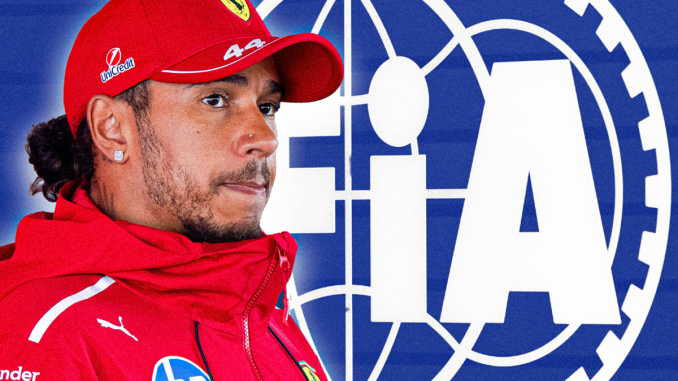
FIA Hits Out at F1 Manufacturers Over 2026 Rules After Bombshell Lewis Hamilton Comment
The FIA has launched a strong defense of Formula 1’s controversial 2026 regulations, arguing that many of the issues now frustrating drivers—including Lewis Hamilton—could have been avoided if engine manufacturers had been more willing to compromise during the rule-making process. �
GPFans +1
Hamilton recently delivered one of his strongest criticisms yet of the new-generation Formula 1 cars, describing the racing experience as far less enjoyable than previous eras. The seven-time world champion pointed to the heavy reliance on energy management, reduced opportunities to push flat-out, and the overall feel of the cars as key concerns. His comments echoed frustrations voiced by several drivers throughout the season. �
GPFans +1
In response, FIA Single-Seater Director Nikolas Tombazis made it clear that responsibility does not lie solely with the governing body. According to Tombazis, when the 2026 regulations were first developed years ago, manufacturers strongly pushed for a greater emphasis on electrification, insisting that the future of road cars was moving rapidly in that direction. The FIA accepted those requests and built the regulations around a 50-50 split between electric and internal combustion power. �
Wikipedia +1
However, the landscape has changed dramatically. Several manufacturers have since shifted their long-term strategies, while drivers have complained that the current power units force them into excessive battery management instead of allowing them to race flat-out. Tombazis suggested that if today’s circumstances had existed when the rules were originally written, Formula 1 might have adopted a very different engine formula. �
Wikipedia +1
The FIA has also revealed that some manufacturers resisted proposed changes aimed at reducing the “super-clipping” effect and improving racing, making it harder to implement solutions before the regulations came into force. As a result, the governing body believes manufacturers share responsibility for the shortcomings currently being criticized. �
The Race +1
Despite the criticism, the FIA insists it is committed to improving the regulations rather than abandoning them. Adjustments have already been introduced this season, and further revisions to the power unit formula are planned for 2027 and beyond. Those changes are expected to reduce the reliance on electric deployment and increase the contribution of the internal combustion engine, giving drivers more freedom to race aggressively. �
Reuters +1
Formula 1 CEO Stefano Domenicali has also defended the new era, arguing that while the regulations are not perfect, they represent an important step toward sustainability. He believes the sport can continue refining the technical package without losing sight of its long-term environmental ambitions. �
The Guardian +1
For Hamilton, however, the message remains unchanged. The Ferrari star wants Formula 1 to prioritize racing quality and ensure future cars allow drivers to attack throughout a Grand Prix rather than constantly managing battery energy. With the FIA now publicly pushing back against manufacturers, the debate over the future direction of Formula 1 has become even more intense—and the fight over the sport’s next generation of regulations is far from over. �
GPFans +1
Discover more from F1 Paddock Updates
Subscribe to get the latest posts sent to your email.

Be the first to comment