
- F1 Hungarian Grand Prix 2026 Results Confirmed After Late FIA Penalties Reshape Final Classification
The FIA has officially confirmed the final classification of the 2026 Hungarian Grand Prix following a series of post-race investigations and penalties, bringing an end to an action-packed weekend at the Hungaroring. While the chequered flag initially marked the conclusion of the race, several hours of steward reviews were required before the final results could be declared official.
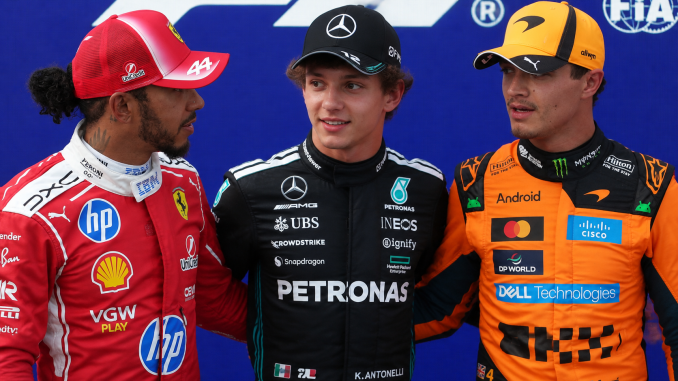
McLaren’s Lando Norris emerged as the confirmed winner after delivering one of his most composed drives of the season. Starting from the front and maintaining impressive pace throughout the 70-lap race, Norris controlled the contest with confidence, resisting pressure when it mattered most and crossing the finish line comfortably ahead of the chasing pack. The victory gives McLaren another significant boost as Formula 1 heads into its traditional summer break.
Max Verstappen secured second place after another determined performance for Red Bull. Although he pushed hard to close the gap to Norris during various stages of the race, the reigning world champion was unable to find the speed needed to challenge for victory. Nevertheless, the runner-up finish earned valuable championship points and ensured he remained firmly in contention in the drivers’ standings.
Rookie sensation Kimi Antonelli continued his remarkable debut Formula 1 campaign by finishing third, adding another podium to his growing list of achievements. The young Italian displayed maturity beyond his years, managing tyres effectively and staying out of trouble throughout a race that proved challenging for many experienced drivers.
However, the final classification was only confirmed after the FIA reviewed multiple incidents involving several competitors. Stewards examined a number of on-track clashes, pit lane infringements, and driving conduct before issuing their final decisions. The resulting penalties altered parts of the finishing order and highlighted the importance of post-race scrutiny in modern Formula 1.
One of the most notable decisions involved Lewis Hamilton, who was handed a five-second time penalty for speeding in the pit lane during the race. The Ferrari driver had already endured a difficult weekend and the additional sanction compounded his frustrations. Although the penalty did not significantly affect his final finishing position, it denied Hamilton the opportunity to maximise his points haul from what had already been a challenging race.
Hamilton’s Ferrari team had hoped for a stronger result after showing flashes of competitiveness during practice and qualifying. Instead, operational errors and race-day difficulties left the seven-time world champion unable to challenge the leaders. The Hungarian Grand Prix therefore became another race Ferrari will analyse closely as it seeks improvements for the second half of the season.
Another major talking point centred on Carlos Sainz, who also received a penalty following an incident involving Oscar Piastri. The clash occurred as Piastri attempted to lap the Williams driver during the closing stages of the race. Contact between the two cars ended Piastri’s hopes of fighting near the front, with the Australian eventually forced to retire from the Grand Prix.
Piastri’s retirement proved pivotal in the race outcome. Before the incident, the McLaren driver had looked capable of challenging for a podium and potentially applying pressure to his teammate Norris. Instead, his early exit allowed Norris to extend his advantage without serious opposition during the final laps.
The FIA’s post-race investigations once again demonstrated how Formula 1 results are increasingly determined not only by what happens on the circuit but also by steward reviews after the race. Teams, drivers, and fans were forced to wait several hours before the official classification was published, reflecting the governing body’s commitment to ensuring every incident is examined thoroughly and fairly.
With the final standings now confirmed, the championship picture has become even more intriguing. Every point gained—or lost through penalties—could prove decisive as the title battle intensifies heading into the latter stages of the 2026 season. Both the Drivers’ and Constructors’ Championships remain closely contested, meaning consistency and avoiding costly mistakes will be essential in the remaining races.
For McLaren, Norris’ victory represents another statement of intent as the team continues its fight for championship honours. The British driver has consistently delivered strong performances throughout the campaign, and his success in Hungary further strengthens his credentials as a genuine title contender.
As Formula 1 now enters its summer break, teams will use the pause to analyse performances, develop upgrades, and prepare for the crucial final stretch of the championship. With fierce competition at the front of the field and the margins between rivals becoming increasingly narrow, every race promises to carry enormous significance.
The 2026 Hungarian Grand Prix will ultimately be remembered not only for Norris’ commanding victory but also for the late FIA decisions that reshaped the official classification. Once again, Formula 1 proved that the race is not always over when the chequered flag falls, as steward investigations and regulatory decisions continue to play a crucial role in determining the final outcome of a Grand Prix weekend.

Be the first to comment