
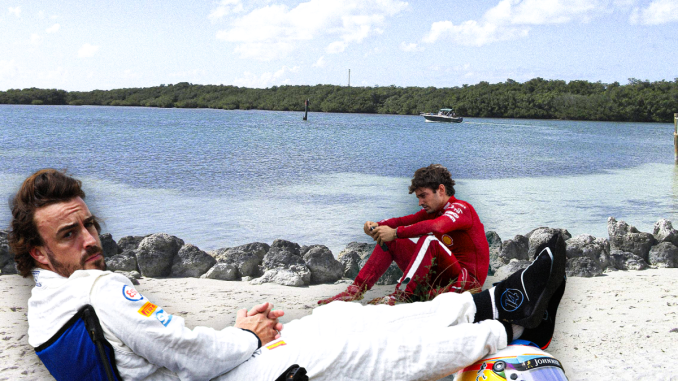
F1 ENTERS THE SUMMER BREAK SHUTDOWN — AND THIS IS HOW THE FIA ENFORCES IT
Formula 1 has officially pressed the pause button.
After the intense Hungarian Grand Prix, the paddock is entering one of the most unusual periods of the F1 calendar — the mandatory summer shutdown. But while drivers can switch off, travel and enjoy some time away from the pressure of the championship, the teams themselves face a much stricter reality.
From July 31, Formula 1 factories begin their mandatory shutdown, with teams required to observe a 14-consecutive-day closure during July and/or August under the FIA’s 2026 Operational Regulations.
And this is where the FIA’s enforcement becomes particularly interesting.
The shutdown is not simply a holiday. It is designed to prevent the richest or most technically powerful teams from continuing development while rivals take a genuine break. In other words, Mercedes, Ferrari, McLaren, Red Bull and the rest of the grid are expected to step away from performance development at the same time.
The FIA rules are remarkably strict.
During the shutdown, teams cannot operate their wind tunnels for F1 development, conduct CFD simulations for car development, produce or develop new wind-tunnel components, car parts or tooling, assemble cars or sub-assemblies, or have employees, consultants or subcontractors continue design, development or production work.
That means the familiar race against time inside F1 factories temporarily stops.
No engineers staying late to find another tenth.
No secret aerodynamic programme being pushed through overnight.
No new floor being quietly manufactured while a rival’s factory is closed.
And, importantly, the FIA rules also prohibit teams from simply outsourcing the work to another company in an attempt to bypass the shutdown. Teams must notify suppliers of their shutdown dates and cannot make arrangements designed to circumvent the restrictions.
🔎 HOW DOES THE FIA KNOW IF A TEAM CHEATS?
This is perhaps the most fascinating part.
The FIA can require teams to provide records of activities during the shutdown, while factory access systems can help establish who entered and left facilities. Technical information such as CAD files, CFD data and wind-tunnel records can also be examined if there is suspicion that prohibited development work continued.
And F1’s competitive environment creates another layer of policing.
Teams are watching each other.
If one organisation believes a rival has secretly continued performance development, it can raise the matter with the FIA. The governing body can then demand further information or conduct checks.
There are, however, legitimate exceptions.
Essential maintenance is allowed, while certain repairs to a seriously damaged car can be authorised by the FIA. Non-F1 projects and some infrastructure or IT maintenance can also continue under the regulations.
For the drivers, the story is different.
Lewis Hamilton, Max Verstappen, Kimi Antonelli, Charles Leclerc, George Russell, Lando Norris and the rest of the grid are not technically trapped inside the shutdown rules in the same way as their teams. The break provides an opportunity to recover physically and mentally before the championship resumes.
But when the factories reopen, the pressure returns immediately.
The next race is the Dutch Grand Prix at Zandvoort on August 21–23, meaning the second half of the championship will begin with the title fight already gathering momentum.
And that makes this shutdown more significant than it first appears.
For Kimi Antonelli, who enters the break leading the championship, the pause provides a chance to protect his advantage. For Hamilton and Ferrari, it is an opportunity to reassess what went wrong during the opening half of the campaign. Mercedes, meanwhile, have a championship lead in the constructors’ standings that their rivals will desperately want to attack.
The factories may be silent.
The wind tunnels may be quiet.
The laptops may be closed.
But the championship certainly isn’t over.
The FIA has effectively forced Formula 1 to stop developing — but once the shutdown ends, every team will return knowing that the smallest technical advantage could decide the championship.
And that is when the real summer-break battle begins.
Discover more from F1 Paddock Updates
Subscribe to get the latest posts sent to your email.
Be the first to comment