
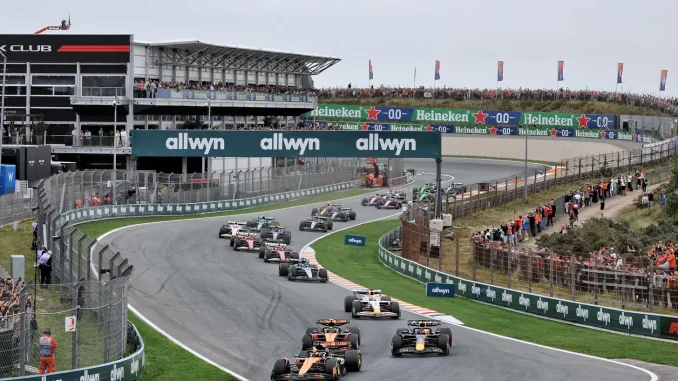
The FIA is turning this weekend’s Dutch Grand Prix into more than just another round of the Formula 1 championship, using the event as an opportunity to investigate a prototype technology that could eventually have applications far beyond motorsport.
As part of its ongoing efforts to improve environmental performance and explore new technical solutions, the governing body is conducting research into advanced filtration systems at Zandvoort. The project is designed to assess how the technology performs in a demanding motorsport environment while gathering valuable data that could support its development for wider use.
The prototype filtration systems are being evaluated under real-world conditions, allowing researchers to examine their effectiveness, reliability and potential environmental benefits. Holding the research during a Formula 1 weekend provides an ideal testing environment because of the intense operational demands associated with a major international sporting event.
The FIA’s decision to use the Dutch Grand Prix for the project highlights the growing role of Formula 1 as a platform for technological experimentation. Beyond performance and competition, the championship has increasingly become an important testing ground for innovations that could eventually influence automotive engineering and other industries.
Although the technology remains at the research and development stage, the FIA believes the lessons learned from the Dutch Grand Prix could prove valuable outside Formula 1. If successful, similar filtration solutions could potentially be adapted for other applications where controlling emissions or airborne pollutants is important.
The initiative also fits into the FIA’s broader approach of using motorsport to investigate technologies that can contribute to more sustainable practices. By collecting data from a live Grand Prix environment, researchers can gain a clearer understanding of how the system performs compared with controlled laboratory testing.
The Dutch Grand Prix therefore represents an important opportunity for the FIA to assess the practical potential of the technology. While the research is not directly connected to the outcome of the race, it reflects the increasingly diverse responsibilities of the governing body as motorsport continues to explore ways of reducing its environmental impact.
For Formula 1, the project reinforces its reputation as a laboratory for innovation. Technologies initially developed or tested within the sport have frequently influenced developments elsewhere, and the FIA’s latest research could eventually follow a similar path.
The findings from Zandvoort will provide researchers with important information as they determine whether the prototype filtration technology is ready for further development and potential applications beyond the world of motorsport.
Discover more from F1 Paddock Updates
Subscribe to get the latest posts sent to your email.


Be the first to comment