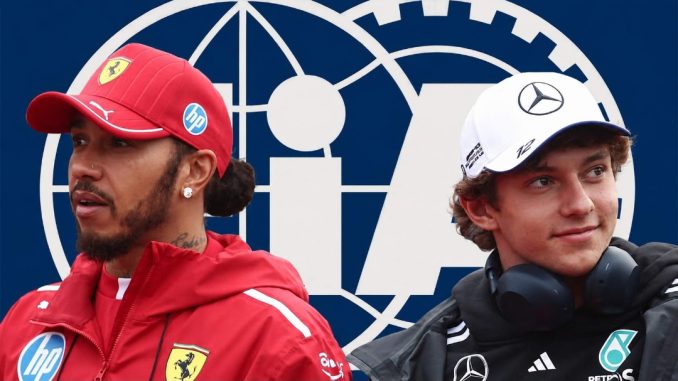
FIA Investigates Singapore Grand Prix as Shock Disqualification Claims Emerge
The FIA has come under the spotlight following a series of investigations and official decisions at the Singapore Grand Prix, with fresh attention turning to the possibility of a dramatic change to the race results.
The Singapore Grand Prix, held at the Marina Bay Street Circuit, is one of the most demanding events on the Formula 1 calendar. Its combination of intense humidity, tight corners and unforgiving barriers puts considerable pressure on drivers, teams and their machinery.
However, while headlines have circulated suggesting that the FIA has confirmed a shock disqualification following an investigation, the governing body’s available official records do not establish a confirmed race disqualification matching that claim. The identity of any supposedly disqualified driver and the precise reason for such a penalty therefore remain unverified.
The distinction between an investigation and a disqualification is important in Formula 1. An investigation means that officials are examining a possible breach of the sporting or technical regulations. A disqualification, by contrast, requires a formal decision by the stewards and can have immediate consequences for a driver’s result and championship position.
During a Grand Prix weekend, FIA officials carry out extensive checks to ensure that every competitor complies with the regulations. These checks can involve car dimensions, power-unit components, tyre procedures, track limits and conduct on the circuit.
When a potential infringement is identified, the relevant team may be summoned to explain the circumstances. Officials then examine the available evidence before deciding whether further action is necessary.
Depending on the nature of the offence, the outcome can range from no further action to a warning, time penalty, grid penalty or disqualification.
Why a disqualification would matter
A confirmed disqualification can dramatically change the outcome of a Formula 1 race.
If a driver is excluded from the final classification, the remaining competitors are promoted by one position, potentially affecting the points awarded to several teams and drivers.
Such a decision can be particularly significant during a closely contested championship battle. A driver losing a strong points finish could see a rival gain valuable ground, while a team could lose points that had appeared secure immediately after the chequered flag.
For the constructors’ championship, the consequences can be equally serious. Every point matters when teams are competing for championship positions and the financial rewards associated with their final standings.
Nevertheless, the precise consequences depend on the official ruling and the identity of the driver involved. Without a verified decision, it would be misleading to announce changes to the championship standings.
Technical inspections remain central to the FIA’s work
Formula 1 teams operate under a detailed technical rulebook that specifies how their cars must be designed, assembled and operated.
Even relatively small deviations from the permitted specifications can result in a serious penalty. Rear-wing dimensions, floor wear, minimum weight and other technical requirements are routinely scrutinised by FIA officials.
Teams are responsible for ensuring that their cars comply with the regulations throughout the event. A team cannot automatically avoid a penalty simply because an infringement was accidental or because its own measurements initially suggested that the car was legal.
The stewards must consider the relevant evidence and apply the regulations to the circumstances of each case.
The same principle applies to sporting infringements. Drivers must follow race director instructions, respect track limits and comply with procedures governing starts, pit stops and on-track conduct.
What happens next?
For now, the key question is whether the headline refers to a specific FIA decision or is confusing an investigation with a confirmed disqualification.
The official FIA decision documents are the most reliable source for establishing whether a driver has been excluded, what regulation was breached and whether the result has changed.
Until a corresponding ruling can be identified, the reported disqualification should not be treated as confirmed news.
Formula 1 fans will naturally be watching for any official clarification, particularly if a decision could influence the drivers’ or constructors’ championship.
One thing remains clear: FIA investigations can have major consequences for teams and drivers, but the final verdict must come from an official decision rather than speculation.
For F1 REPORT readers, the priority is to establish the facts before drawing conclusions about a potentially significant development at the Singapore Grand Prix.
Discover more from F1 Paddock Updates
Subscribe to get the latest posts sent to your email.
Be the first to comment