BREAKING: F1 Refuses to Back Down as Qatar and Abu Dhabi Races Remain on Schedule Despite Missile Strikes
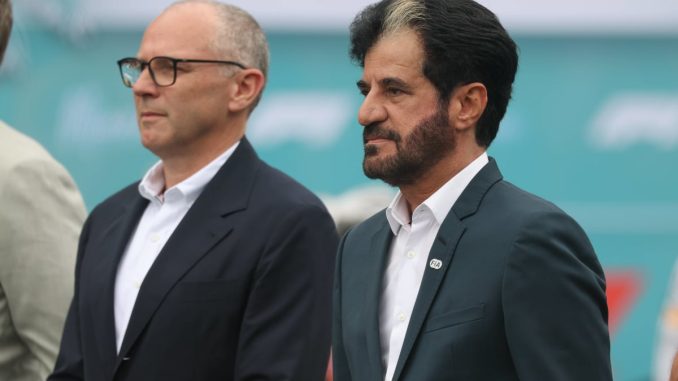
Formula 1 is preparing to push ahead with the Qatar and Abu Dhabi Grands Prix despite escalating security concerns in the Middle East, with championship boss Stefano Domenicali insisting that the final two races of the 2026 season remain on the calendar.
Formula 1 has delivered a major update on its plans for the season finale, reaffirming its intention to race in Qatar and Abu Dhabi despite the wider regional conflict and concerns about the safety of teams, drivers and travelling personnel.
The decision comes after the championship was forced to make significant calendar changes earlier this year, demonstrating just how seriously the ongoing instability has affected international motorsport.
According to statements made by Domenicali in October, the sport intends to conclude the season at the Lusail International Circuit in Qatar before travelling to the Yas Marina Circuit in Abu Dhabi.
However, the commitment to the current schedule does not mean that security concerns have disappeared.
F1 Boss Sends Strong Message Over Final Two Races
Domenicali has made it clear that Formula 1 intends to proceed with the final two rounds according to the published calendar.
Speaking during the Bahrain Grand Prix weekend in Malaysia, the F1 chief said the championship had received assurances supporting its plans to remain in the region.
The Qatar Grand Prix is scheduled for November 29, while Abu Dhabi will host the season finale on December 6.
His comments represent a significant indication that Formula 1 believes the two events can proceed, despite the uncertainty surrounding the wider Middle East.
The sport has already experienced considerable disruption this season. The original Bahrain and Saudi Arabian rounds were affected by the regional conflict, forcing organisers to reconsider the calendar.
Bahrain’s event was subsequently relocated to Malaysia, while the Saudi Arabian Grand Prix was cancelled.
Those developments have increased attention on Qatar and Abu Dhabi, with both races expected to play crucial roles in determining the final championship standings.
Security Concerns Remain a Major Issue
Despite Formula 1’s determination to continue with its plans, the security situation remains an important consideration.
The threat of further military escalation and the potential impact on international travel, airspace and logistics have raised questions about whether major sporting events can safely take place across the region.
Formula 1 must consider more than the conditions at the circuits themselves. The safe movement of personnel, transportation of equipment, accommodation arrangements and the ability of international teams to operate normally are all important factors.
The championship has previously indicated that its decisions would depend on the information and assurances available as the situation develops.
Consequently, the decision to retain Qatar and Abu Dhabi on the calendar should not be interpreted as a guarantee that circumstances cannot change.
For now, however, the stated position of Formula 1’s leadership is that the final two races remain scheduled to take place as planned.
Max Verstappen Raises Questions Over Racing in the Region
The situation has also prompted discussion among drivers about the appropriateness of competing in the Middle East while conflict continues nearby.
Four-time world champion Max Verstappen has expressed reservations about travelling to the region under such circumstances.
His position highlights a difficult question facing Formula 1: should contractual commitments and championship arrangements take priority when security concerns remain unresolved?
Drivers and teams depend on the governing body and championship organisers to assess risks and provide reliable information before travelling to an event.
While the final decision involves multiple stakeholders, the safety of everyone involved remains paramount.
Any significant deterioration in regional security could therefore place additional pressure on Formula 1 to reconsider its plans, regardless of the commercial and sporting consequences.
Qatar and Abu Dhabi Could Decide the Championship
Beyond the security controversy, the two races carry enormous sporting importance.
Qatar is scheduled to host the penultimate round of the championship at Lusail, a circuit known for its high-speed corners and demanding tyre management.
One week later, Abu Dhabi will stage the season finale at Yas Marina, where the final championship positions could be decided.
The back-to-back events also represent important commercial occasions for Formula 1, its teams, sponsors and race promoters.
Cancelling either race would create logistical and financial complications, particularly after the calendar changes already experienced earlier this year.
Nevertheless, the championship cannot allow commercial considerations to outweigh credible safety concerns.
The challenge for Formula 1 will be balancing its commitment to the calendar with its responsibility to protect drivers, team personnel, officials and spectators.
What Happens Next?
For the moment, Formula 1’s position remains clear: Qatar and Abu Dhabi are expected to host the final two races of the 2026 season.
The championship will nevertheless need to remain alert to developments that could affect the feasibility of staging either event.
Alternative arrangements have previously been discussed, with European venues such as Imola emerging as potential options if the Middle Eastern races become impossible to hold safely.
Such contingency planning does not mean a relocation has been confirmed. It simply reflects the need to prepare for changing circumstances.
With the Qatar Grand Prix approaching, attention will increasingly turn towards the assurances provided by organisers and whether conditions remain suitable for the championship to travel to the region.
One thing is certain: Formula 1 faces a delicate decision as it approaches the final races of a season already disrupted by conflict.
For now, the message from the championship’s leadership is that the show will go on.
But if the security situation changes significantly, the sport could face another major calendar decision before the chequered flag falls on the 2026 season.
READ MORE IN THE COMMENTS.
Discover more from F1 Paddock Updates
Subscribe to get the latest posts sent to your email.

Be the first to comment