
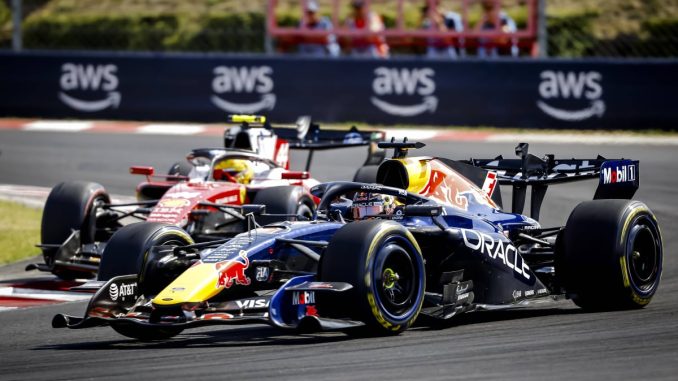
F1 insider claims plan to take cars electric aged badly but says there is a fix
Formula 1’s ambitious move toward greater electrification has come under fresh scrutiny after former Haas team principal Guenther Steiner admitted that some aspects of the sport’s new power-unit direction have not worked as smoothly as expected. However, the experienced F1 figure believes the situation can be corrected without abandoning the philosophy behind the regulations.
The 2026 regulations introduced a major transformation to Formula 1’s power units, placing significantly greater emphasis on electrical energy while retaining an internal combustion engine. The changes were designed to make the championship more relevant to the automotive industry while improving efficiency and encouraging technological development.
Steiner’s concerns became particularly apparent after watching the opening race of the new era. Rather than arguing that Formula 1 had made a fundamental mistake by increasing its reliance on electric power, he suggested that the regulations simply need further refinement.
According to Steiner, the early problems should not be interpreted as evidence that the entire concept has failed. Instead, he believes Formula 1 has enough flexibility to identify weaknesses and make adjustments as teams and officials gain more experience with the new machinery.
The 2026 power units feature a much larger electrical component, creating an approximately equal split between electrical energy and the combustion engine. Drivers also have access to additional electrical performance through the sport’s new overtaking systems, making energy management an increasingly important part of racing strategy.
That represents a significant departure from previous generations of Formula 1 machinery. The challenge is not simply producing more electrical power, but ensuring that the technology creates exciting racing without making the cars overly complicated or difficult to manage.
Steiner’s comments suggest that Formula 1 should resist making dramatic changes based on the first impressions of the new regulations. Instead, he believes the governing authorities and teams can learn from what has happened during the opening stages of the new rules and gradually improve the package.
The former team boss has also pointed to Formula 1’s history of adapting when regulations do not deliver the expected results. Small technical changes can have a major influence on how cars behave, meaning problems that initially appear serious may sometimes be addressed through relatively straightforward adjustments.
The debate over electrification is likely to continue as the 2026 season progresses. While some traditional fans remain attached to the sound and character of previous Formula 1 engines, the championship is also under pressure to demonstrate that its technology has relevance beyond motorsport.
For now, Steiner’s position appears to be one of cautious optimism. He acknowledges that the current approach has exposed weaknesses, but he does not believe those issues justify abandoning the direction entirely.
Instead, the message is that Formula 1 should keep developing the concept. If the sport can fine-tune the regulations while preserving performance, efficiency and competitive racing, the controversial transition toward a more electrically focused future could ultimately prove successful.
Discover more from F1 Paddock Updates
Subscribe to get the latest posts sent to your email.
Be the first to comment