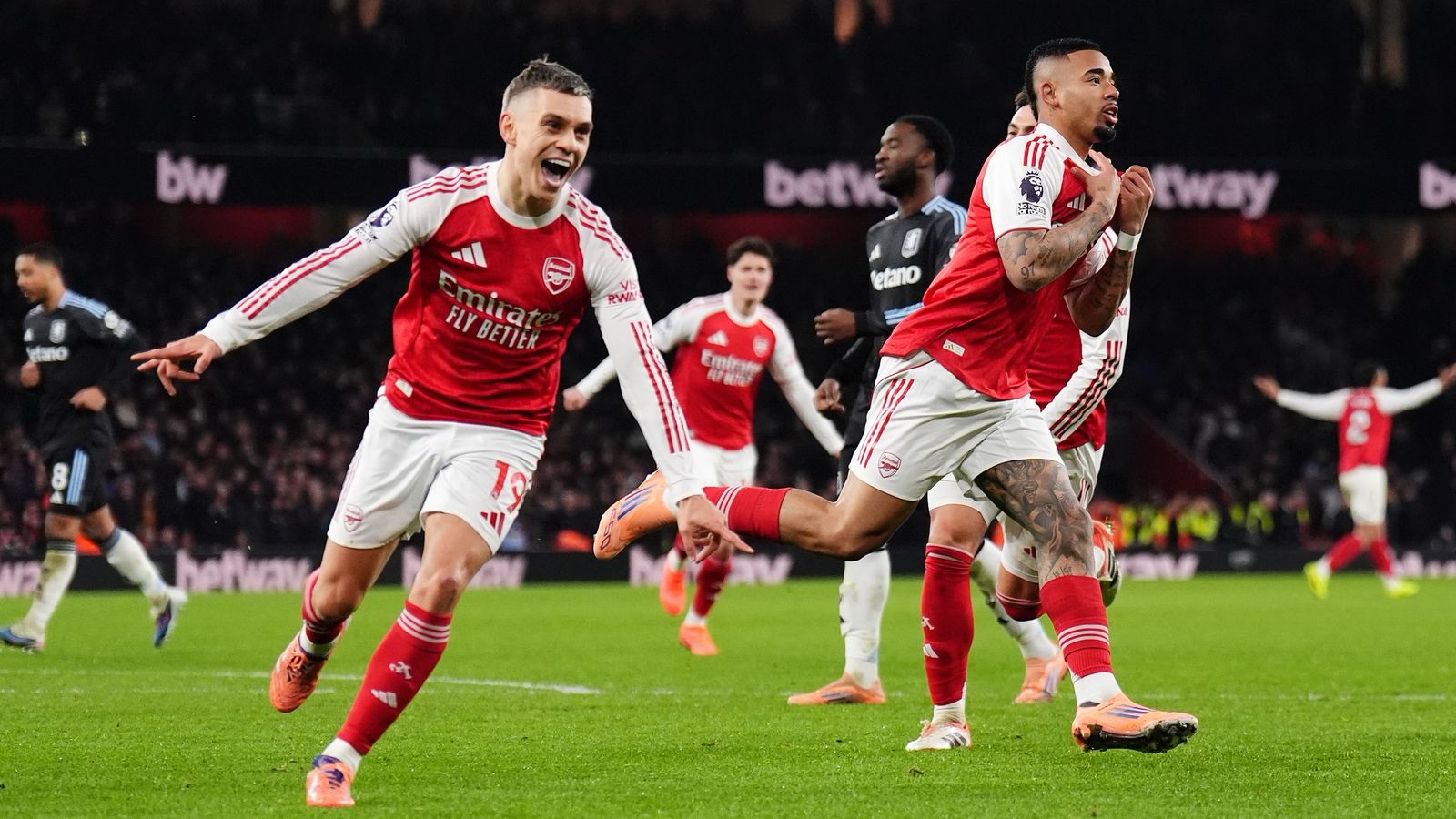
The final whistle had barely sounded before the post-match discussion shifted away from tactics and results to a moment that ignited fierce debate across the football world. Liverpool legend Steven Gerrard delivered one of his most forceful post-match reactions in recent memory following a controversial incident involving Arsenal’s Gabriel Martinelli and Liverpool’s Conor Bradley.
What unfolded during the second half not only altered the tone inside the stadium but also triggered a wider conversation about sportsmanship, mentality, and respect in the modern game.
The Incident That Sparked Outrage
The flashpoint occurred during a tense spell in the second half when Conor Bradley, already nursing a knock, went down near the touchline after a heavy challenge. As Liverpool players gestured for medical attention, Martinelli was seen physically pushing Bradley toward the sideline, urging him to leave the pitch so play could resume.
The reaction was immediate. Boos echoed around the ground, Liverpool players rushed toward the scene, and the atmosphere turned hostile. Bradley, clearly uncomfortable, required assistance moments later. While play eventually continued, the incident lingered long after the ball moved on.
Gerrard’s Blunt Assessment
Speaking after the match, Gerrard did not attempt to soften his words.
“This wasn’t about football anymore,” he said. “That was a senseless attitude—disgusting, to be honest.”
For a former Liverpool captain known for measured analysis, the criticism was unusually direct.
“When a player is injured and clearly in pain, the game stops being about winning and starts being about decency. What we saw there wasn’t decency.”
Gerrard went further, questioning not just the moment but the mentality behind it.
“He was one of the worst players on the pitch today—not just for footballing reasons, but because of his mindset.”
A Warning About Mentality and Character
Perhaps the most striking part of Gerrard’s response was his broader warning.
“With that kind of attitude, you won’t go far in your career. Talent will only take you so far. Respect, humility, and character take you the rest of the way.”
The message was clear: elite football demands more than pace, technique, and end product. For Gerrard, character remains non-negotiable.
Why the Moment Resonated
To many Liverpool supporters, the incident struck a nerve because of who Conor Bradley represents. Not a superstar or marquee name, Bradley is viewed as a young player earning his place through effort, resilience, and commitment.
“That lad is giving everything for the badge,” Gerrard added. “He’s injured, exhausted, and still trying to help his team. To treat him like an obstacle says a lot.”
The contrast between Bradley’s struggle and Martinelli’s action intensified the emotional response.
A Wider Debate on Modern Football
Gerrard’s comments quickly expanded the discussion beyond one player or one match. Pundits and fans alike began questioning whether modern football’s relentless pursuit of advantage has eroded basic respect.
“There was a time when players competed fiercely but knew where the line was,” Gerrard said. “That line was crossed today.”
While stopping short of accusing Martinelli of deliberate malice, Gerrard emphasized that impact matters as much as intent.
“You don’t need to mean harm to cause it.”
Arsenal Supporters Respond
Arsenal fans were quick to defend Martinelli, arguing that the winger was acting out of urgency in a high-pressure moment and attempting to restart play. Some suggested the reaction was exaggerated.
Gerrard rejected that view.
“There’s a difference between urgency and disrespect. Anyone who’s played at this level knows that.”
Questions Over Refereeing
Gerrard also highlighted the referee’s handling of the situation.
“That moment should’ve been dealt with instantly. The referee has a duty to protect injured players.”
He warned that failing to intervene decisively sends a dangerous message.
“When there are no consequences, players think it’s acceptable.”
Inside the Liverpool Camp
Reports from within the Liverpool dressing room suggest the incident deeply angered senior players. The mood reportedly shifted instantly, galvanising the team but leaving lingering frustration.
Bradley played on briefly before being substituted, with medical staff unwilling to take risks. Teammates were said to have checked on him repeatedly after the match, underlining the sense of unity and concern within the squad.
Gerrard’s Final Word
Despite the severity of his criticism, Gerrard insisted his comments were not personal.
“This isn’t about hating a player,” he said. “It’s about calling out behaviour that shouldn’t exist in this game.”
He concluded with a pointed reflection:
“If he learns from this, he’ll be better for it. If he doesn’t, football has a way of humbling people.”
A Moment Bigger Than the Result
Fans remain divided on whether Gerrard’s reaction was too harsh. But the incident has undeniably become one of the season’s defining talking points—not because of a goal or a result, but because it forced football to confront its values.
In a sport increasingly driven by margins and momentum, Gerrard’s message was simple and uncompromising: respect is not optional.